Complete SEMrush 2026 Review – Features Compared & Pitfalls
Complete SEMrush 2026 Review: Explore features, compare tools, and uncover pitfalls. Your ultimate guide to SEMrush 2026.
SEMrush 2026 Core Functionality Deep Dive
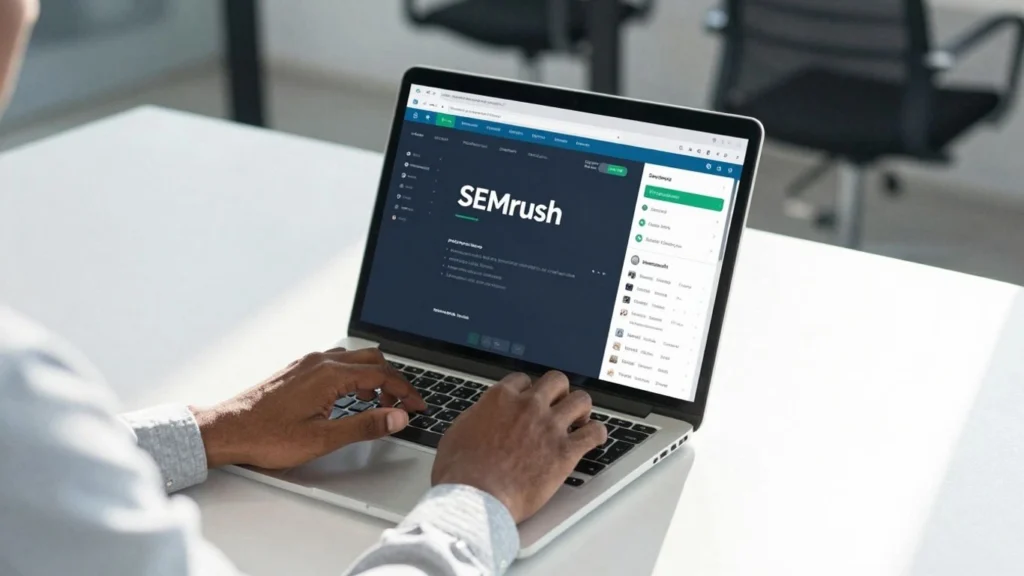
Let’s get into what SEMrush actually does at its heart. It’s built around a few main areas that help you figure out what people are searching for, what your competition is up to, and how well your own website is doing.
Keyword Research Powerhouse
This is where you find the words and phrases people type into search engines. Getting this right is pretty important if you want people to find your site. SEMrush makes this process feel less like a chore and more like a treasure hunt. You can see how many people search for a term, how hard it is to rank for it, and even get ideas for related keywords you might not have thought of. It’s all about finding those sweet spots where your content can actually be seen.
Here’s a quick look at what you can do:
- Discover new keyword ideas: Type in a broad topic, and SEMrush will spit out tons of related terms.
- Analyze keyword difficulty: Figure out if a keyword is worth chasing or if it’s too competitive right now.
- See search volume trends: Understand if a keyword’s popularity is growing or shrinking.
- Track keyword positions: Keep an eye on where your site ranks for important terms.
Competitor Analysis Unveiled
Ever wonder what your rivals are doing online? SEMrush lets you peek behind the curtain. You can see what keywords they’re ranking for, what ads they’re running, and where their website traffic is coming from. It’s not about copying them, but about understanding the landscape and finding opportunities they might be missing. You can get a good sense of their strategy just by looking at the data. This kind of insight can really help you shape your own online marketing efforts.
On-Page SEO Auditing Excellence
Your website needs to be in good shape for search engines to like it. SEMrush’s site audit tool scans your website and points out problems. Think of it like a doctor giving your website a check-up. It looks for things like:
- Broken links that frustrate visitors.
- Slow page loading times that make people leave.
- Missing title tags or meta descriptions that search engines need.
- Duplicate content issues that can hurt your rankings.
Fixing these issues can make a noticeable difference in how search engines see your site and how users experience it.
Content Marketing Suite Evolution
SEMrush’s Content Marketing Suite has really grown over the years, and the 2026 version feels like a big step forward. It’s not just about finding keywords anymore; it’s about building a whole content strategy from scratch and seeing how it performs. You can really get a handle on what your audience is looking for and then create stuff that actually works.
Topic Research and Ideation
This is where you figure out what to write about. SEMrush gives you a bunch of ways to find ideas. You can see what people are searching for, what questions they’re asking, and what your competitors are talking about. It’s pretty neat.
- See trending topics: Find out what’s hot right now in your niche.
- Explore audience questions: Discover the actual problems people need solved.
- Analyze competitor content: See what’s working for others and find gaps.
Content Creation and Optimization Tools
Once you have your ideas, SEMrush helps you make the content better. The editor checks your writing for SEO, readability, and even tone. It’s like having a writing coach looking over your shoulder, but way less annoying. You can make sure your articles are not just good, but also findable by search engines.
- SEO Writing Assistant: Get real-time suggestions as you type.
- Readability checks: Make sure your content is easy for people to understand.
- Plagiarism checker: Avoid accidental copying.
Content Performance Tracking
Writing the content is only half the battle, right? You need to know if it’s actually doing anything. SEMrush lets you track how your articles are performing. You can see traffic, engagement, and how well they rank for your target keywords. This feedback loop is super important for improving your future content.
- Track article views and time on page.
- Monitor keyword rankings for your content.
- See how your content contributes to your overall SEO goals.
Advertising and PPC Management Capabilities
When you’re looking to get your products or services in front of potential customers quickly, paid advertising is often the way to go. SEMrush really steps up here, giving you tools to manage and improve your Pay-Per-Click (PPC) campaigns. It’s not just about setting up ads; it’s about making them work smarter for you.
Paid Search Campaign Insights
SEMrush gives you a good look at what’s happening with your paid search ads. You can see how your ads are performing, which keywords are bringing in clicks, and how much you’re spending. It helps you figure out what’s working and what’s not, so you can adjust your bids and ad copy. You get to see competitor ad strategies too, which is a big help.
- Track keyword performance and cost per click.
- Analyze ad copy effectiveness.
- Monitor competitor ad spend and strategies.
- Identify new keyword opportunities for paid campaigns.
Display Advertising Opportunities
Beyond just search ads, SEMrush also helps you explore the world of display advertising. This means banner ads that pop up on other websites. The tool can help you find places where your target audience hangs out online and see what kinds of display ads your competitors are running. It’s a way to get your brand name out there more broadly.
Budget Optimization Strategies
Spending money on ads without a plan is just throwing cash away. SEMrush offers ways to make sure your budget is used wisely. It can point out areas where you might be overspending or where you could get more bang for your buck. By looking at the data, you can make smarter decisions about where to allocate your ad funds to get the best results. This means:
- Identifying underperforming keywords and pausing them.
- Shifting budget towards high-converting ad groups.
- Setting up automated rules for bid adjustments based on performance.
Social Media Marketing Integration
So, SEMrush isn’t just about search engines anymore. They’ve really put some effort into the social media side of things, which is pretty neat if you’re trying to manage your whole online presence from one spot. It’s like trying to keep all your tools in one toolbox instead of scattered all over the garage. This integration means you can connect your social accounts and start working with them right inside SEMrush.
Social Media Posting and Scheduling
This part lets you plan out your posts ahead of time. You know, instead of scrambling to figure out what to post every single day. You can draft posts, add images, and then pick exactly when you want them to go live. It’s handy for keeping a consistent presence without being glued to your phone or computer.
- Draft posts for different platforms.
- Schedule them for specific dates and times.
- Preview how your posts will look.
Audience Engagement Monitoring
Keeping an eye on what people are saying about your brand on social media is a big deal. SEMrush helps you track mentions, comments, and messages. This way, you can jump in and respond quickly, whether it’s a happy customer or someone with a complaint. It’s about being present and showing you care.
Social Media Performance Analytics
Once your content is out there, you need to know if it’s actually doing anything. SEMrush gives you reports on how your posts are performing. You can see things like:
- How many people saw your post (reach).
- How many people interacted with it (likes, comments, shares).
- Which posts are getting the most attention.
This data helps you figure out what kind of content your audience likes best, so you can make more of that. It’s all about learning from what works and what doesn’t, and these AI-powered tools can help you boost performance better than before.
Navigating SEMrush’s Potential Drawbacks
Okay, so SEMrush is pretty amazing, right? But like anything powerful, it’s not all sunshine and rainbows. You’ve got to be aware of a few things before you jump in headfirst. It’s easy to get overwhelmed if you’re not prepared.
Learning Curve for New Users
When you first log into SEMrush, it can feel like walking into a massive library without a map. There are so many tools and reports, and each one does something different. It takes time to figure out where everything is and how to use it effectively. You might find yourself clicking around for a while, trying to piece together how to get the exact data you need. It’s not like some simpler tools where you just type in a keyword and get one simple answer. Here, you have to learn:
- Which tool is best for your specific goal (e.g., finding new keywords vs. checking your site’s health).
- How to read and interpret the data presented in the various charts and tables.
- What the different metrics actually mean and how they relate to each other.
Don’t expect to be an expert overnight. Give yourself a few weeks, maybe even a month, to really get comfortable. Watch some tutorials, read their help guides, and just play around with the features. It gets easier, promise.
Pricing Tiers and Value Proposition
Let’s talk money. SEMrush isn’t exactly cheap, especially if you’re just starting out or running a small operation. They have different plans, and the cost goes up pretty quickly as you need more features or access to more data. You really need to think about what you’re going to use the most. Are you going to be doing tons of keyword research? Or is competitor analysis your main focus? If you’re only going to use a couple of features, you might be paying for a lot of stuff you don’t actually need. It’s worth asking yourself:
- Does the cost of the plan justify the features I’ll actually use?
- Can I achieve my goals with a lower-tier plan, or do I really need the premium features?
- Are there cheaper alternatives that offer similar functionality for my specific needs?
Make sure you’re not just buying the most expensive plan because it’s there. Figure out your budget and your must-have features first.
Data Accuracy and Interpretation
SEMrush pulls in a huge amount of data, and for the most part, it’s pretty good. But it’s important to remember that it’s not always perfect. Sometimes, the numbers might seem a little off, or a trend might appear that doesn’t quite match what you’re seeing elsewhere. This can happen for a few reasons:
- Data is collected from various sources and is often an estimate. It’s not always a direct read from Google Analytics or Search Console.
- Different tools use different methodologies, so SEMrush’s numbers might not match up exactly with another tool you’re using.
- Sometimes, the sheer volume of data can make it hard to spot the real story. You might see a small fluctuation that looks big in a report but doesn’t mean much in the grand scheme of things.
So, while SEMrush gives you a fantastic overview, always cross-reference important findings with your own analytics or other trusted sources. Don’t take every single number as gospel. Use it as a guide, a starting point for your own investigations, rather than the absolute final word.
SEMrush 2026 vs. Competitors: A Comparative Look
So, you’ve been looking at SEMrush for 2026, and now you’re wondering how it stacks up against the other tools out there. It’s a smart move, really. You don’t want to just jump into something without seeing what else is available, right?
Feature Set Comparison
When you put SEMrush side-by-side with its main rivals, you start to see where it shines and where others might have an edge. SEMrush has a lot of tools packed in, covering everything from keyword research to social media. It’s like a Swiss Army knife for digital marketing.
- Keyword research: SEMrush is strong here, with a huge database. Some competitors might have slightly different ways of showing data, or maybe a more focused approach on specific niches.
- Competitor analysis: You can really dig into what your rivals are doing with SEMrush. Other tools might offer simpler reports, or perhaps focus more on backlink profiles.
- Content tools: SEMrush has a whole suite for content, but you might find specialized tools that do just one thing, like AI writing, even better.
User Experience Differences
How easy is it to actually use these tools? That’s a big one. SEMrush has a lot going on, which can be a bit much when you first start. It’s powerful, but sometimes that means a steeper learning curve.
- Interface: SEMrush’s dashboard is busy. You get used to it, but some platforms are designed to be more straightforward from the get-go. Think less clicking around, more direct answers.
- Learning curve: If you’re new to SEO or digital marketing, SEMrush might feel a bit overwhelming. Simpler tools might guide you through processes more clearly.
- Integration: How well do the different parts of the tool work together? SEMrush does a decent job, but sometimes you might find that separate tools, even if you pay for more, connect more smoothly.
Pricing Models Compared
Let’s talk money. SEMrush isn’t exactly cheap, especially if you want access to all the good stuff. You really need to think about what you’re getting for your money.
- Tiered pricing: SEMrush has different plans, and the features you get depend heavily on which one you pick. You might pay for a higher tier just for one feature you need.
- Value proposition: Is SEMrush the best bang for your buck? It depends on your needs. If you use most of its features, it’s probably a good deal. If you only need a few things, you might find cheaper alternatives that do those specific tasks well.
- Competitor pricing: Some tools offer more basic plans at a lower cost, or maybe they have a more flexible pay-as-you-go model. You have to weigh the cost against the features you actually plan on using.
So, What’s the Verdict on SEMrush in 2026?
Alright, so you’ve seen what SEMrush can do and where it might trip you up. It’s a big tool, no doubt about it, and for many, it’s going to be a game-changer for getting your website noticed. You can really dig into what’s working and what’s not. But remember those tricky parts we talked about? They can be a bit of a headache if you’re not prepared. Think about your own needs. If you’re just starting out or have a really tight budget, maybe some of the fancier features aren’t worth the cost. But if you’re serious about growing your online presence and want a lot of data at your fingertips, SEMrush is definitely worth a close look. Just be ready to spend some time learning it, and don’t be afraid to use their support when you get stuck. It’s a powerful ally, but you’ve got to put in the work to make it pay off for you.